Research Groups

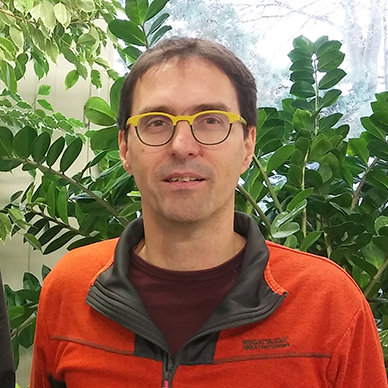
Prof. Kathrin Breuker
Research in the Breuker group is focused on larger biomolecules including proteins and nucleic acids, and utilizes a special type of mass spectrometer: FT-ICR MS (Fourier transform-ion cyclotron resonance mass spectrometer). We use this instrument to study biomolecular structure, folding, interactions, and reactivity, and to develop new approaches for the localization of ribonucleic acid (RNA) modifications and the characterization of RNA complexes with proteins and small molecule ligands.

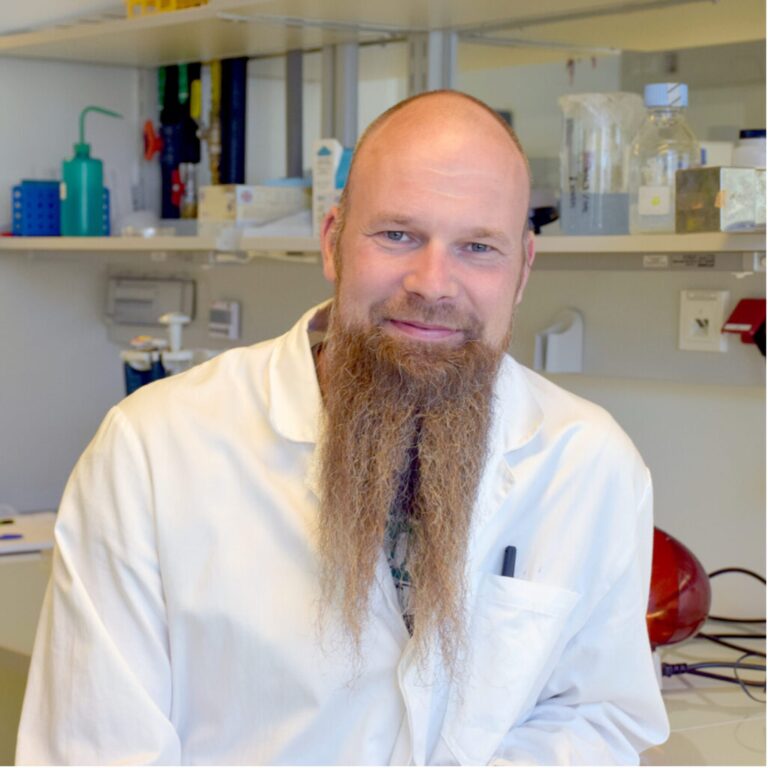
Prof. Matthias Erlacher
Our research focuses on how natural and engineered RNA modifications in tRNAs, rRNAs, and mRNAs affects the accuracy and efficiency of protein synthesis. Our aim is to improve our understanding of their function and also establish them as tools for synthetic biology.
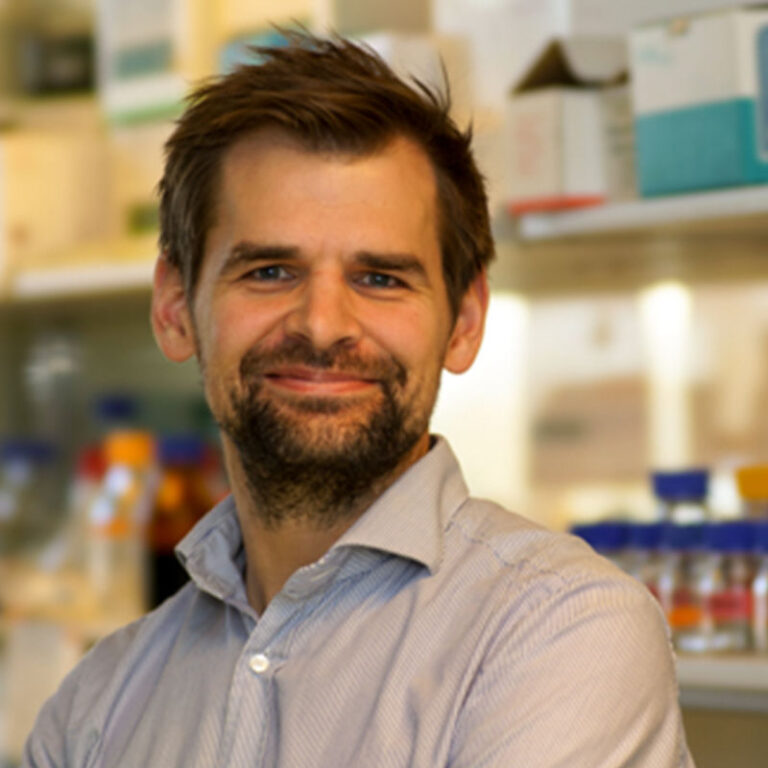
Prof. Sebastian Herzog
The Herzog lab is/We are interested in the processes that modulate the biogenesis of microRNAs, small non-coding RNAs with a critical role in post-transcriptional gene regulation. At the moment, our primary goal is to elucidate the molecular details that govern the function of the Microprocessor, the protein complex that catalyzes the first step in miRNA maturation.

Prof. Christoph Kreutz
The research focuses on developing stable isotope labeling methods and advanced NMR techniques to study the functional dynamics and folding landscapes of RNAs, including the effects of naturally occurring modifications on structure and function. Additionally, efforts are being made to expand the NMR toolbox for studying high molecular weight RNA-protein complexes by introducing techniques like methyl TROSY and simplifying paramagnetic relaxation enhancement (PRE) applications.


Prof. Alexandra Lusser
Our research focuses on cytosine methylation in mRNA and its role as a cellular signal regulating mRNA metabolism. We are particularly interested in the enzymes responsible for this modification, exploring their biological functions using genetic engineering and advanced sequencing techniques, including bisulfite sequencing, TUC-seq, RNA-seq, and ATAC-seq. In collaboration with RNA chemistry experts, we also develop innovative methods leveraging RNA modifications, with a focus on modified ligands of RNA aptamers and riboswitches to enhance RNA imaging and discover novel ligand-binding motifs and their functional significance.
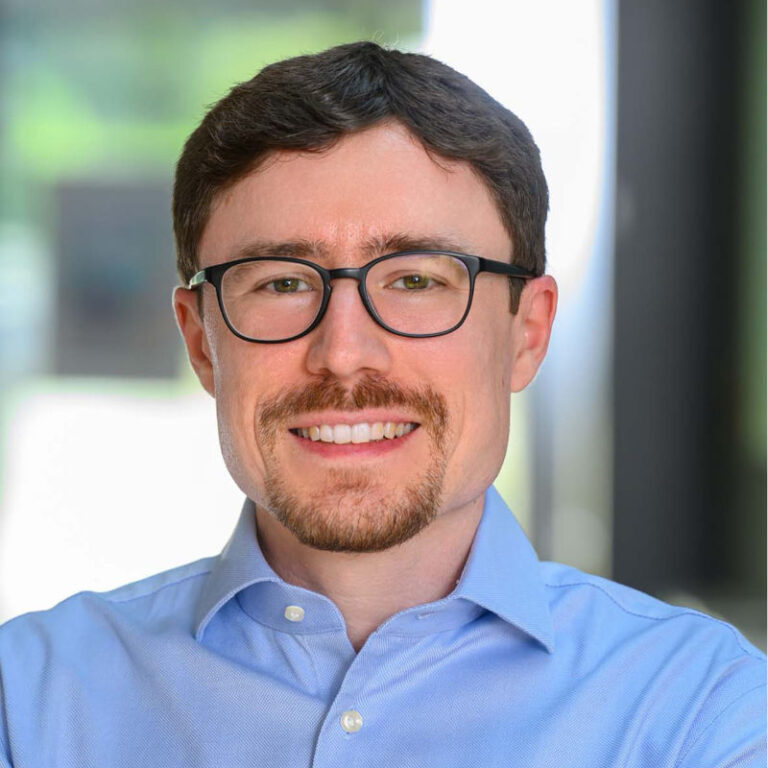
Prof. Andreas Mayer
Our research aims to understand the molecular mechanisms that control gene expression in mature and differentiating human cells, and how misregulation leads to diseases such as leukemia and neurological disorders. To address these questions, we employ an interdisciplinary combination of functional genomics – which involves developing genome-wide nascent RNA analysis techniques – biochemistry, super-resolution microscopy and advanced computational methods.

Prof. Ronald Micura
Chemistry and biology of nucleic acids. Our research aims at a comprehensive molecular understanding of important biological processes of nucleic acids, such as ribosomal translation and gene regulation by riboswitches. The Micura group has a strong focus on the chemical synthesis of ribonucleic acids (RNA) and on nucleic acid structure and function evaluation. In particular, the various aspects of chemically modified RNA – including naturally occuring as well as artificial modifications – are in the center of our research interests.
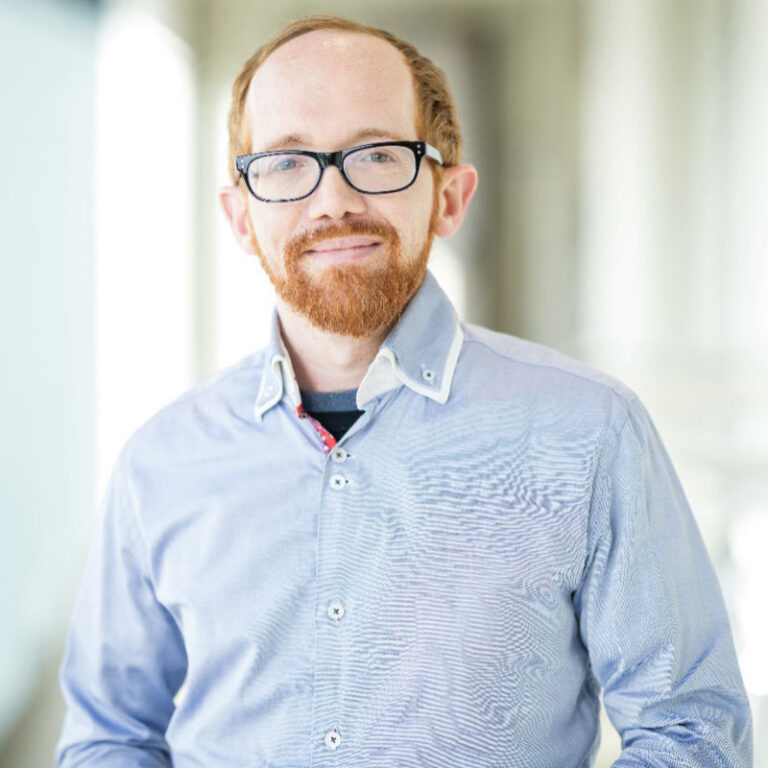
Prof. Johannes Passecker
Our lab investigates how pathogenic genetic variations drive neural circuit dysfunction underlying cognitive impairment, with a parallel goal of exploring RNA-based strategies for therapeutic correction.
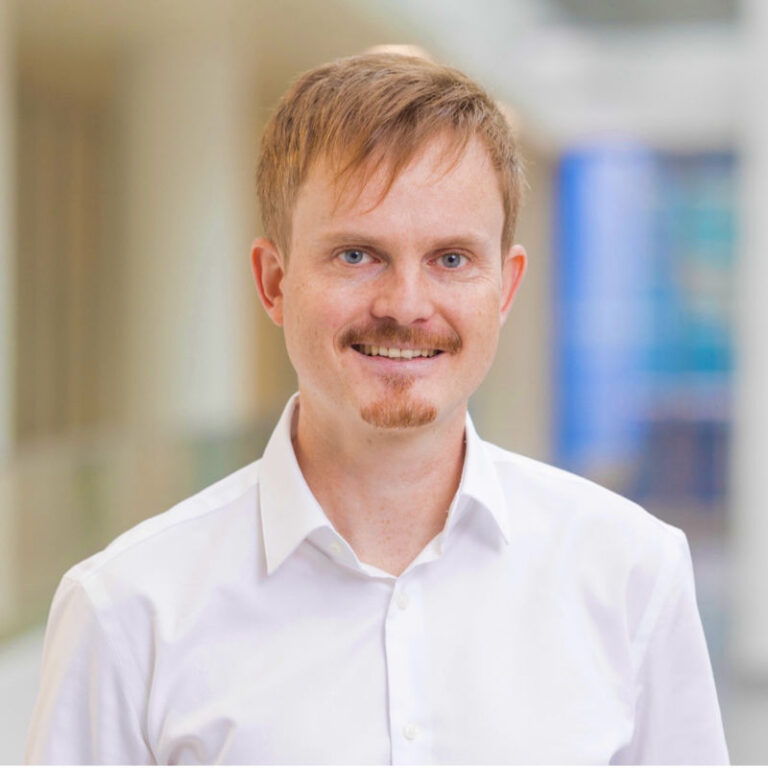
Prof. Stefan Salcher
Our research in precision oncology employs state-of-the-art single-cell and multi-omics technologies to comprehensively characterize the tumor microenvironment and immune cell interactions. A particular focus is placed on the detailed molecular mapping of cells with low mRNA content, especially neutrophil granulocytes, which play a central yet previously underestimated role in cancer biology.
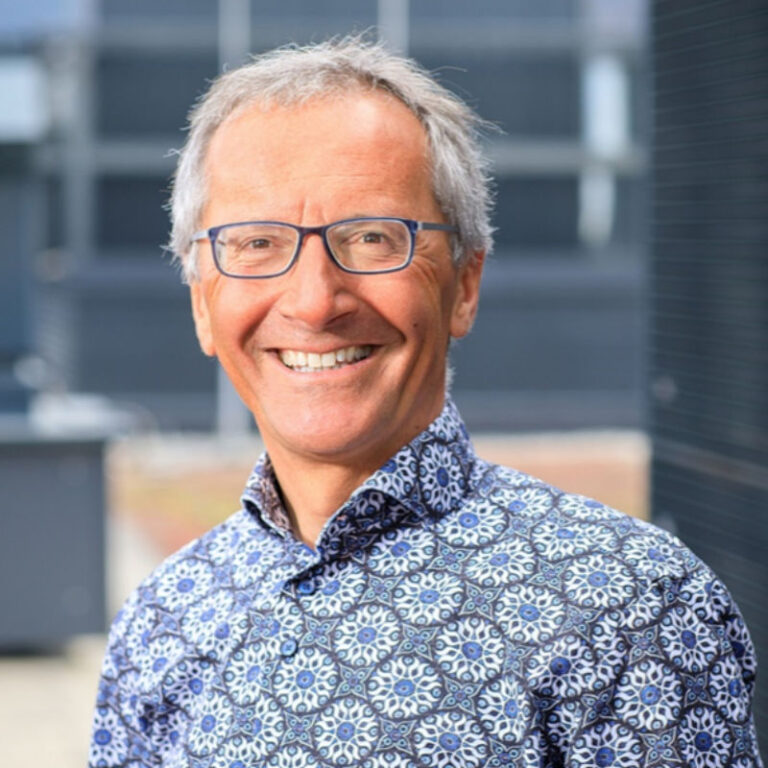
Prof. Zlatko Trajanoski
The lab aims to dissect the mechanisms driving neutrophil diversity and function in cancer, and to develop targeting strategies that harness the anti-tumoral properties of neutrophils.
Alumni
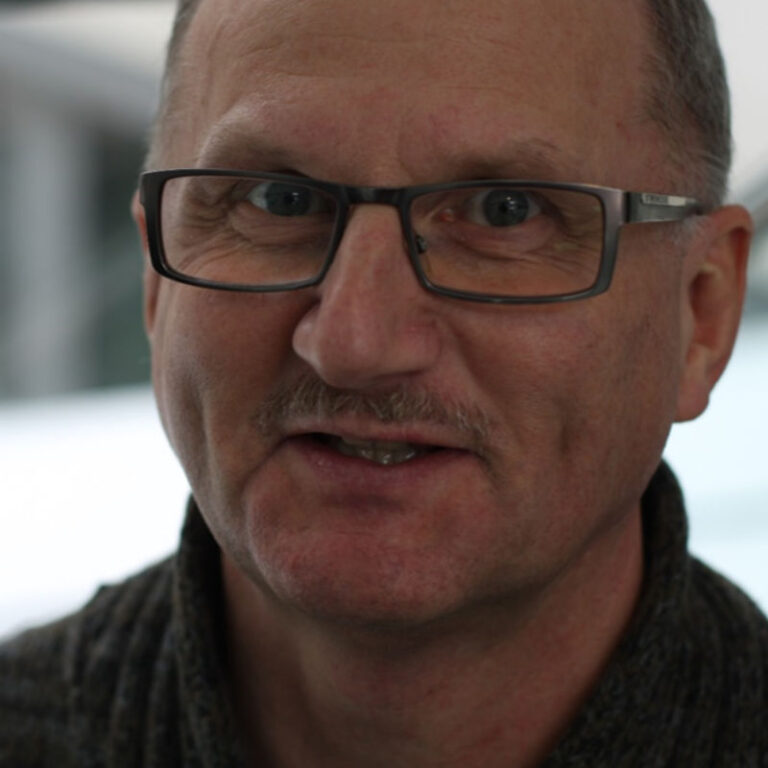
Prof. Alexander Hüttenhofer
Throughout my career, my research has focused on the identification and function of non-coding RNAs (ncRNAs) in different model organisms for which we have coined the term “RNomics”. By this approach, over the years, we have identified hundreds of novel ncRNAs with novel functions. In particular, my lab has been studying the function of ncRNAs in various human diseases such as the Prader-Willi-Syndrome or Schaaf-Yang-Syndrome, as well as the roles of ncRNAs during viral infections (EBV or SARS-Cov2, respectively).